AGP Executive Report
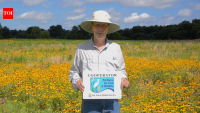
Last update: 6 hours agoAI in Courts: The Oklahoma Supreme Court approved a three-year pilot of an AI court-recording system, testing whether the technology can support court proceedings. Health Research: OU researchers launched a digital program to help Oklahomans prevent diabetes, while an OU mHealth project aims to address pain-care disparities for Native Americans. STEM Workforce: Oklahoma CareerTech is seeking a $73.37 million budget increase for schools and workforce training; OKC’s inaugural Tech Week also aims to narrow gaps in technology access. Agriculture and Ecology: OSU scientists are studying bermudagrass, water and black bears, while an Oklahoma landowner has turned a family cattle farm into a 130-acre pollinator habitat after noticing fewer monarch butterflies.
Note: AI summary from news headlines; neutral sources weighted more to help reduce bias in the result. Feedback is welcome. Please let us know if you have any comments or suggestions about the AGP Executive Report.

 Perspectify News






 Pseudo-journalism: Pink-slime